Designing is far more than colours, textures, and materials. The most important part of it, the part that separates a beautiful house from a truly liveable home, is the consideration of the people it benefits, the uers. Who are they? What do they need? But not just now, what will they need in the near future, and the one after that?
Your job as a designer is to think and project for your clients. To see around corners they have not yet turned, quietly solve problems they do not yet know they have.
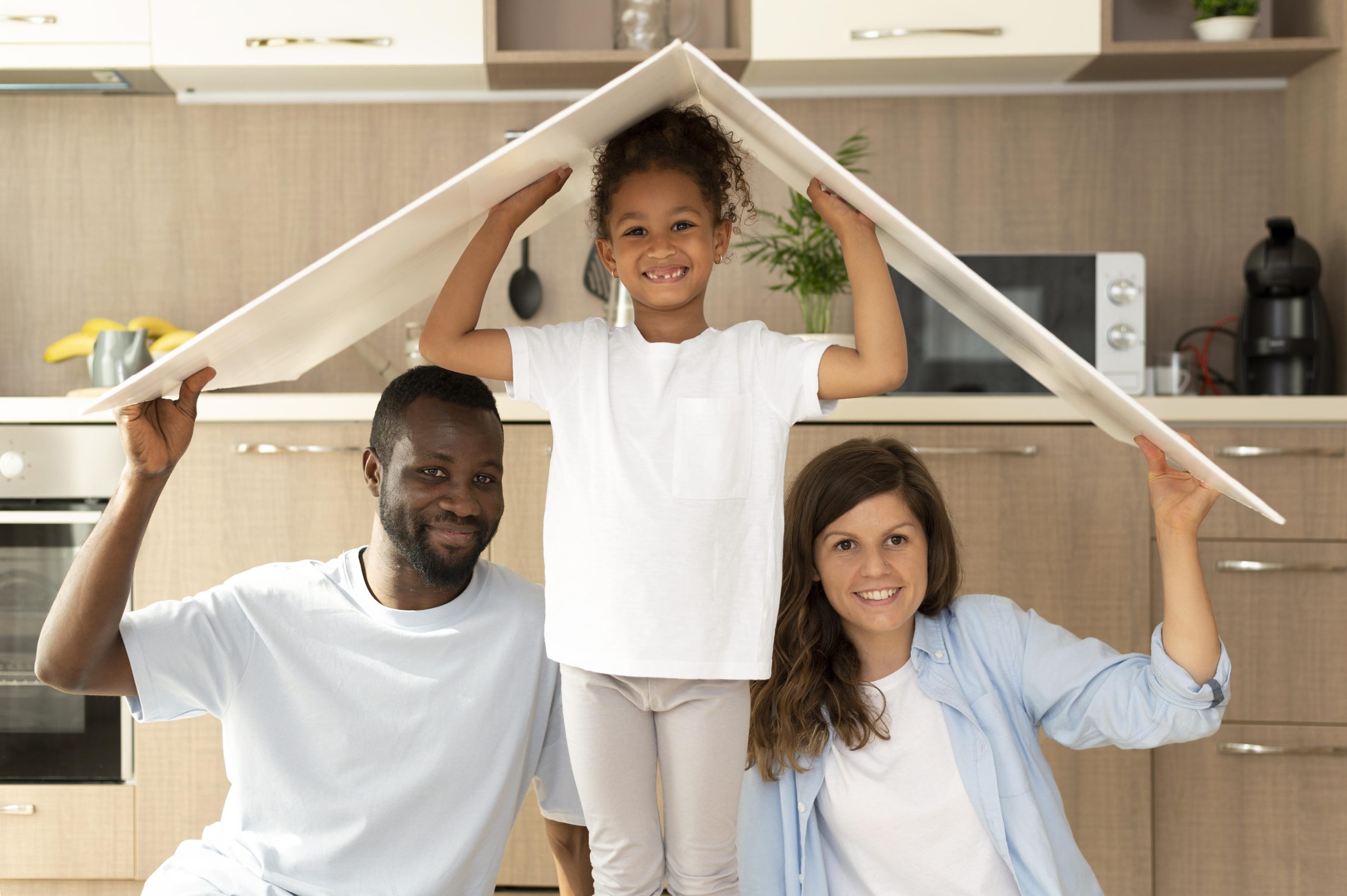
Nowhere is this truer than in the design of a family home. It is one of the most rewarding and complex briefs in residential design, not simply about childproofing corners or picking stain-resistant upholstery, though those things matter. It is about creating a space that serves a living, breathing organism, the family, and understanding that this organism will change, grow, shed old skin, and evolve in ways that no one can entirely predict. A great family home is a story told across decades.
Start With the People, Not the Plan
Before a single line is drawn, before we talk about specifics, I always sit down with the household and do what I call a “life audit.” Who lives here? Who visits regularly? Are there grandparents who come for extended stays? A teenager who needs both privacy and connection? A toddler who turns every surface into a canvas?
Each person in a household has needs that sometimes pull in opposite directions. A work-from-home parent needs quiet and separation. A young child needs stimulation, supervision, and safe exploration. A teenager needs autonomy. An elderly visiting grandparent needs ease of movement and predictable, non-slippery surfaces. The art of family-friendly design is in weaving all of these needs into a single, coherent spatial narrative.
I find it useful to think of a home like an orchestra. Each section plays its own part. But if they are not composed to work together, all you get is noise and disorderliness.
The Young Family

When a young couple starts thinking about a home, perhaps they are newly married, perhaps expecting their first child, their immediate needs and their ten-year needs can look very different. Many make the mistake of designing purely for the present. I always push clients to project forward, even when it feels premature.
For young families, or families who anticipate children, certain spatial decisions become non-negotiable. The kitchen needs to be visible from a common living area, because a parent cooking dinner also needs sightlines to a toddler in the living room. Bedrooms should be planned with thoughtful acoustic separation; children sleep early and parents stay up late. Flooring materials matter enormously, for the inevitable spills and for safety. A polished marble foyer may look stunning, but it is an ice rink to a six-year-old running indoors at full tilt.
Storage is another discipline that young families chronically underestimate. Children generate an almost supernatural quantity of belonging, toys, books, sports equipment, school supplies, backpacks. Homes that lack accessible storage quickly buckle under the weight of family life. Good family design builds storage into the architecture itself, under-stair drawers, deep mudroom cubbies, laundry rooms positioned near bedrooms rather than banished to the basement.
The Middle Chapter
Something interesting happens when children enter adolescence, they begin to require the opposite of what they needed as toddlers. Where once you wanted them close and visible, they now demand walls, doors, and the dignity of distance. A home that served a family beautifully through the early years can feel like it is working against them in the teenage years.
This is why I advocate fiercely for what I call “flexible zones” in family homes. A playroom on the ground floor that is positioned to be easily converted into a study or a private bedroom suite as children age. A loft that can shift from a supervised homework corner to a semi-independent teenager’s retreat. These are not expensive decisions, particularly because of the initial thought that went into the design, they are smart ones, ones that are only a possibility because of projection from the beginning.
For the middle-aged family, the adults themselves are also changing. Careers may demand more sophisticated home office setups. Entertaining becomes more formal. There is often a desire for a primary suite that functions as a true retreat, not just a bedroom, but a sanctuary with space, light, and separation from the domestic noise downstairs. These are the years where master bathroom design becomes a real conversation, and where the quality of materials and finishes starts to matter in a different, more deliberate way.
The Empty Nest and Beyond
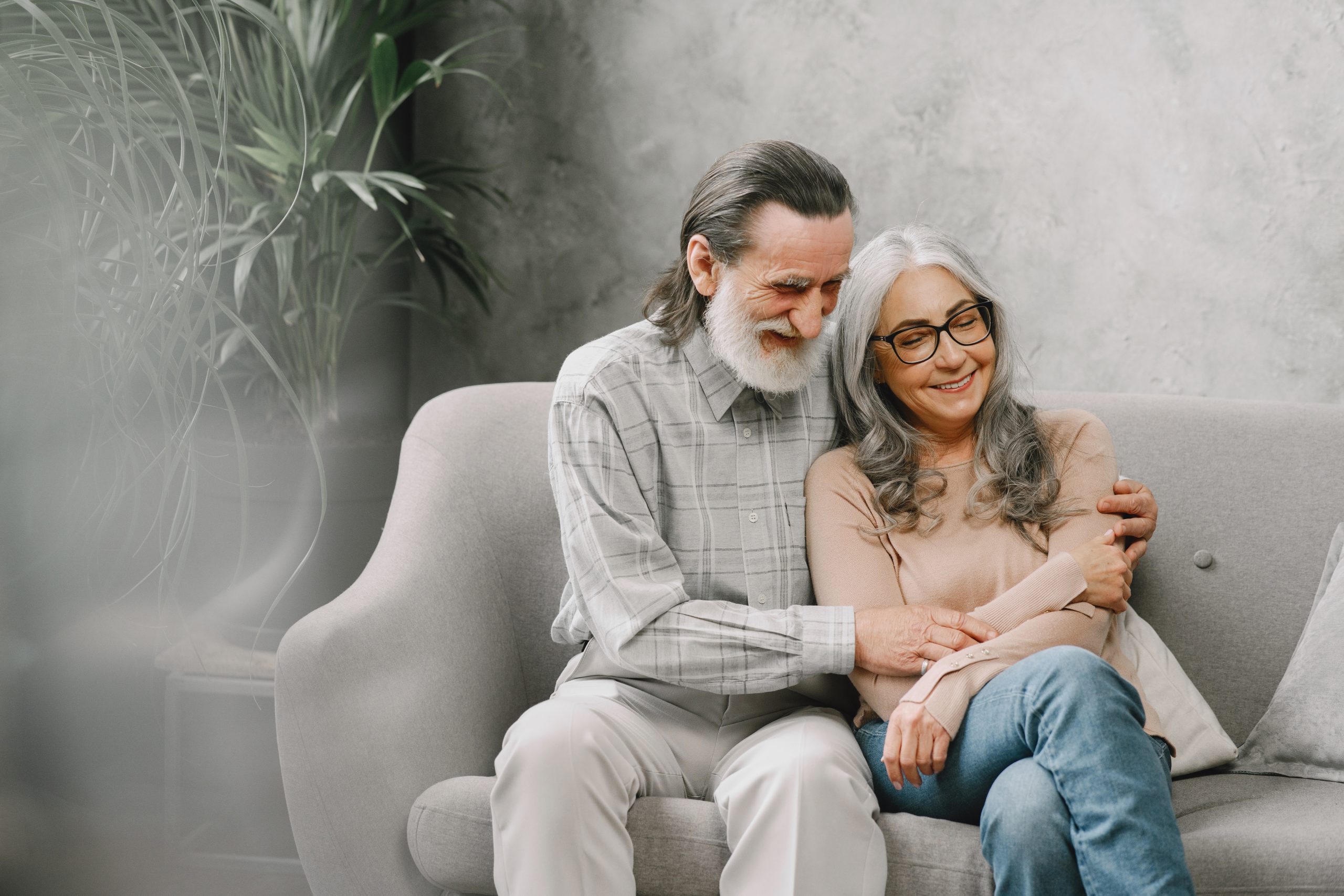
This is the phase of family-home design that most people simply do not think about when they are thirty years old building their first house. And I understand that at thirty, sixty-five feels like a long time away. But homes outlast our assumptions. The decisions made when the foundation is laid will determine how the house serves its occupants for forty, sometimes fifty years.
The questions I encourage clients to think about at the design stage are simple but far-reaching; Is there a bedroom on the ground floor? Not because you need it now, but because one day stairs may be a genuine obstacle. Are doorways wide enough to accommodate a wheelchair if needed? Is the primary bathroom designed in a way that could gracefully incorporate grab rails?
Universal design is not about building a hospital in your home. Done well, it is barely noticeable. A curbless shower is beautiful design. Step-free entries are elegant. Lever-style door handles are more intuitive for everyone, for toddlers, to teenages, to an adult with arthritis. The principles of aging-in-place design are, at their core, principles of good design. Good design is afterall, is unobtrusive.
Good design is unobtrusive – Dieter Rams
Final Words
After many years in this profession, I have come to believe that the single most powerful tool in designing a family-friendly home is empathy, the disciplined practice of imagining yourself into a future you cannot fully see, on behalf of people whose needs you cannot entirely predict. At RC Atelier we have a concept we call “Bespoke Architecture” because we are totally committed to building homes designed exactly for the occupants, anticipating their needs and looking into what their future likely looks like.
The best family homes I have encountered are the ones where the design team asked themselves, “What will this family need in five years, in fifteen, in thirty?” They are homes that stand the test of time and remain liveable for its occupants.
A home, at its finest, is a companion. And like any good companion, it earns its place not by being impressive on a single occasion, but by being reliable, thoughtful, and quietly indispensable across the full length of a life.
That is the home worth building. That is the design worth fighting for.